

How to Prepare Your Ohio Garden for Fall 🍂
While you’re soaking up the sun rays of long August days, there is a whole list of upcoming ways to prepare your garden for the Fall season. And let’s be real, by the end of August, most Ohio gardeners are just about done with the heavy hitting, humid heat that somehow manages to make you sweat within the first five minutes of your garden chores. Fret not, sweaty friends, crisp September mornings and chilly October nights are just around the corner. Follow our simple steps to get yourself ready for some of the most rewarding garden moments of the whole year.
First things first, lets talk seasons.
Central Ohio gardeners have four seasons we like to reference to when planning and planting out our gardens. These include two cool seasons (Spring and Fall), a warm season (Summer), and cold season (Winter). We like to see them as a continuous cycle to plan through to maximize food production and garden potential through the whole year.
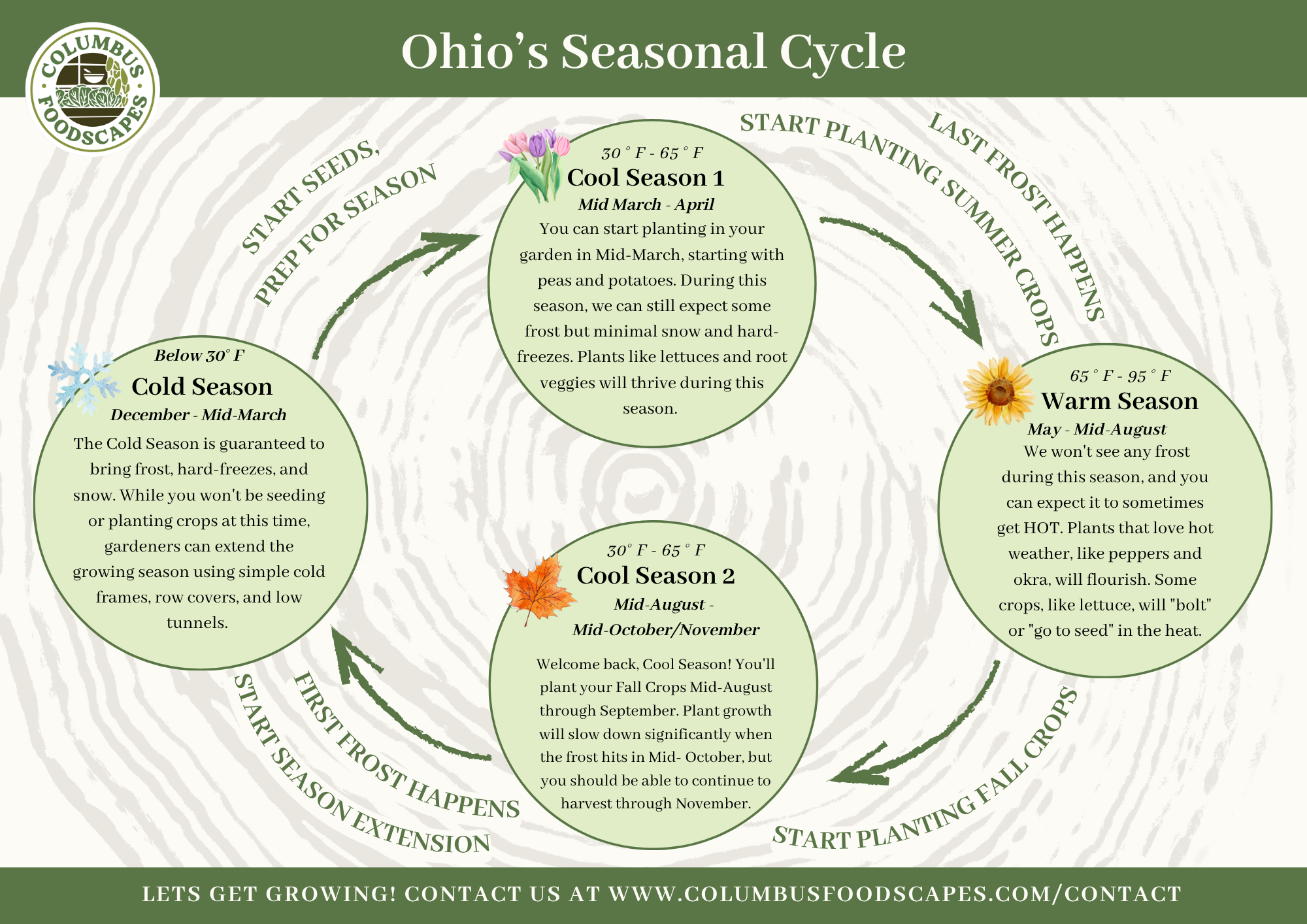
In Ohio, we enter Cool Season #2 in Mid-August. While temperatures may still feel hot, Mid-August is the time to start planning and planting for harvests to last through January.
Two Dates to Know: Timing is everything in fall gardening, and there are two key milestones that shape what’s possible:
1) First Frost
This is when tender summer crops say their goodbyes. But lots of fall crops can handle a nip of frost, and most even taste sweeter after it. Growth slows, but plants don’t stop altogether.
2) Persephone Period
This one’s less obvious but just as important. Once we drop below 10 hours of daylight (usually mid-November around here), plants basically stop growing. If you’re fall crops are covered, they typically don’t die—they just hang out, waiting for the light to return.
The trick is to get your fall crops to maturity before this period begins. That means working backward from mid-November: if your spinach needs 50 days, you’ll want it seeded by early October at the latest. That way, your spinach is fully mature, just hanging out under it’s winter blankie, waiting for you to harvest it all through those colder months.
Don’t worry—we’ve done the math for you. Our planting calendar lays it all out! Download it on our resource page HERE. It tells you exactly what to seed and when. At this point, there are some crops you should really only plant by seedlings (rather than direct seed), like Brussels sprouts, broccoli, or cauliflower, and our planting calendar will help you parse all that out.
Bonus exception: garlic! Garlic actually gets planted after first frost, usually in October.
Before you seed, you gotta weed
Before you can dive into the fun of planning out your fall crops, you gotta do the dishes - AKA weed and clear out your garden beds. You know those spent and drooping eggplants, zucchini squash that are done producing, shriveled up snap peas from Spring, and maybe even a diseased tomato plant or two? Yep, all diseased, spent or just plain dead plants need to be pulled from your garden and lovingly tossed into the compost. Now is the time to clear the way and make space for delicious, cold hardy crops like arugula, radish, beets and kale to fill our beds. One of our favorite facts is that many of these crops taste even sweeter in the fall. While a frost might make your tomato plant turn into a slimy black blob, freezing temps actually turn starches in some vegetables into sugars. We often reminisce on a particularly sweet batch of dinosaur kale we harvested in December of 2025 — delicious!
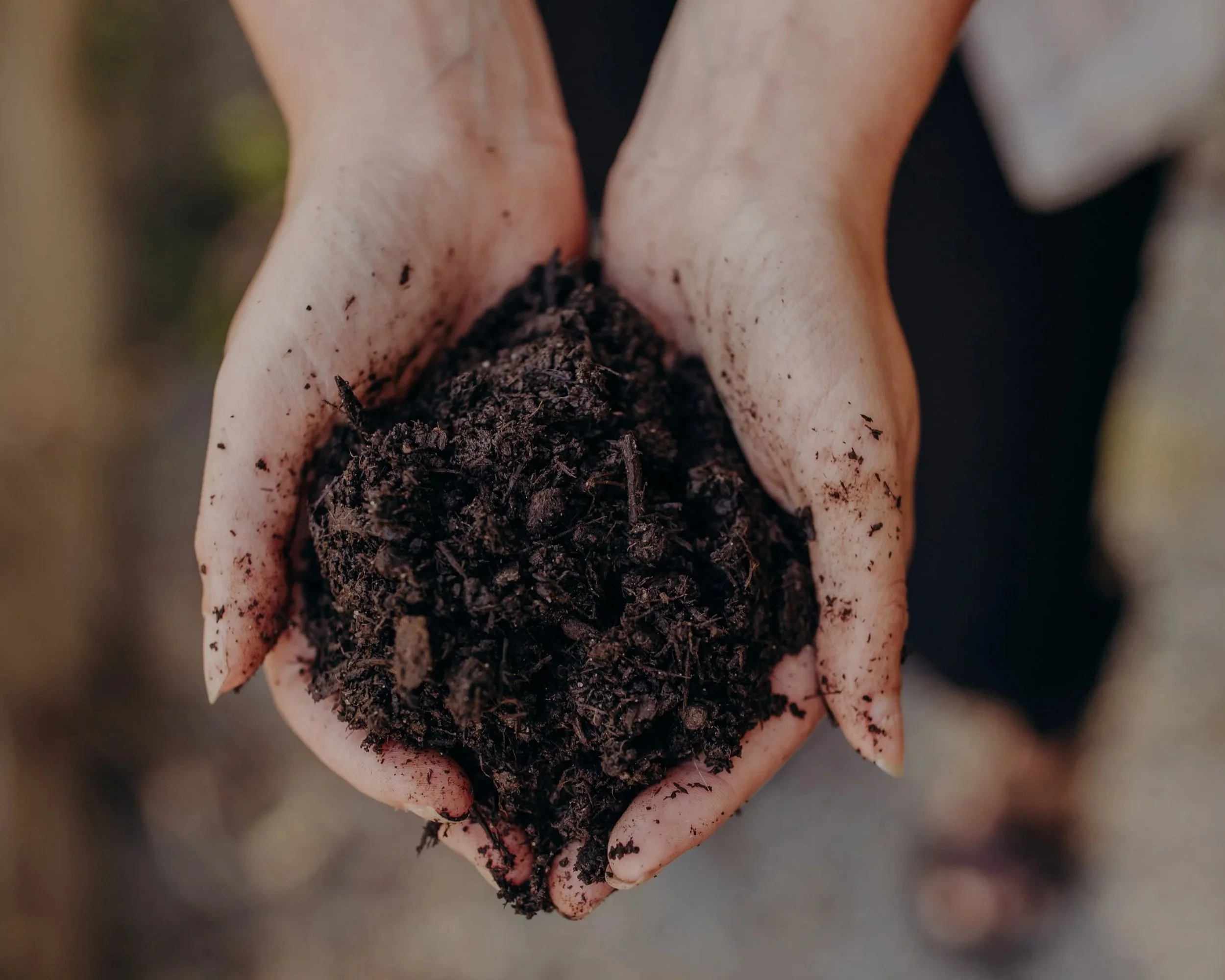
Take some time to clean out your garden bed. We also suggest adding 1-2 inches of compost to your bed to add rich nutrients to bolster the growth of your next crop. If you decide to keep some plants in your beds through the fall, we suggest side dressing the compost around the base of your plant to provide extra nutrients.
What to Plant and When
This is arguably one of the most essential steps in a successful kitchen garden. Planting the right seed or start at the right time will yield the healthiest, most abundant plants for you to harvest from. For example, you wouldn’t want to plant a tomato start when there is still a risk of frost (hello slimy, frost burned leaves) , and you wouldn’t seed lettuce to mature in the peak of summer heat because it would quickly bolt and turn quite bitter (icky).
Luckily, we have run through the frustrations of gardening trial and error so you don’t have to. We have a season-long planting calendar, detailing the when, how, and why of over 50 fruits and veggies that can be grown right here in central Ohio. Through all four growing seasons, our planting calendar provides you with a list of what to grow, and details the characteristics of each plant to help you design a productive garden. Head over to our resource page HERE to get your free digital download. Our seasoned gardeners and clients both refer to this information rich resource throughout the season to keep their harvest baskets full. For all of you gardeners wanting to know what to plant in Mid-August, refer to our lists below. 👇
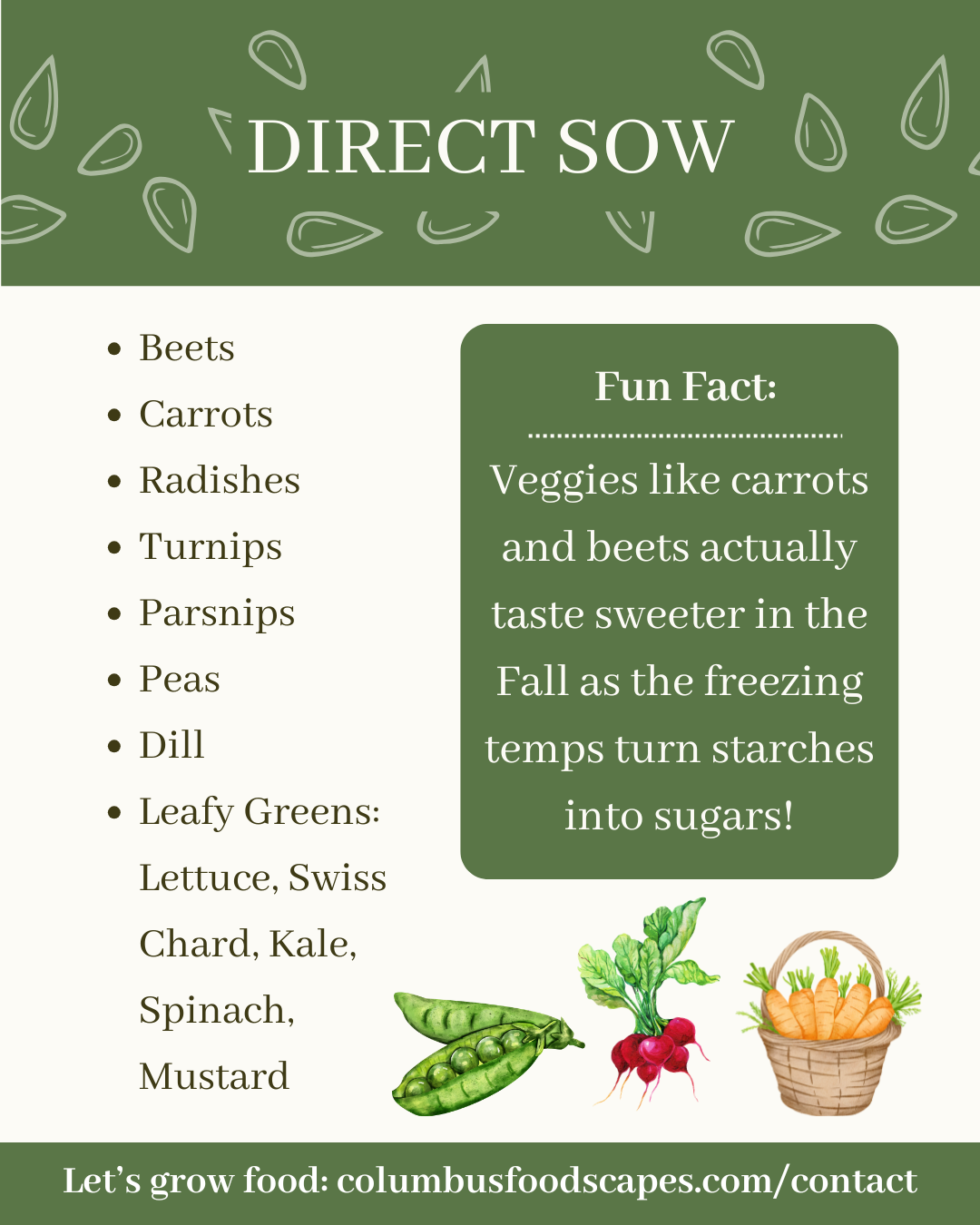
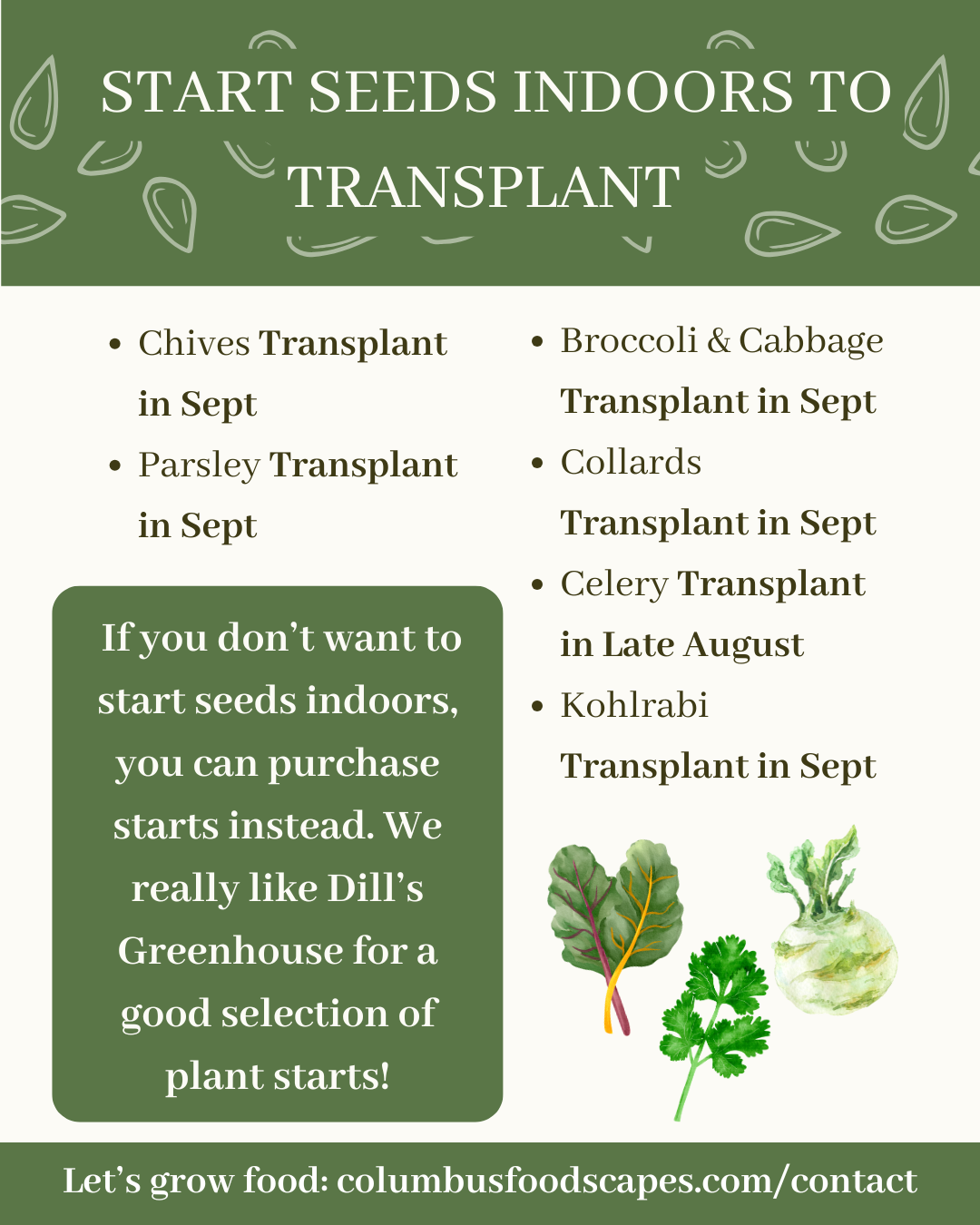
Fun Varieties for Fall Gardens
Time to dig in to the fun part — cool and delicious varieties to wow your taste buds this fall! When you feel like you’re drowning in radishes and kale, it’s time to break out the seed catalog and find some fresh inspiration on what to grow. Check out these 5 foods we love to grow in the fall for a pop of color and flavor in your kitchen.
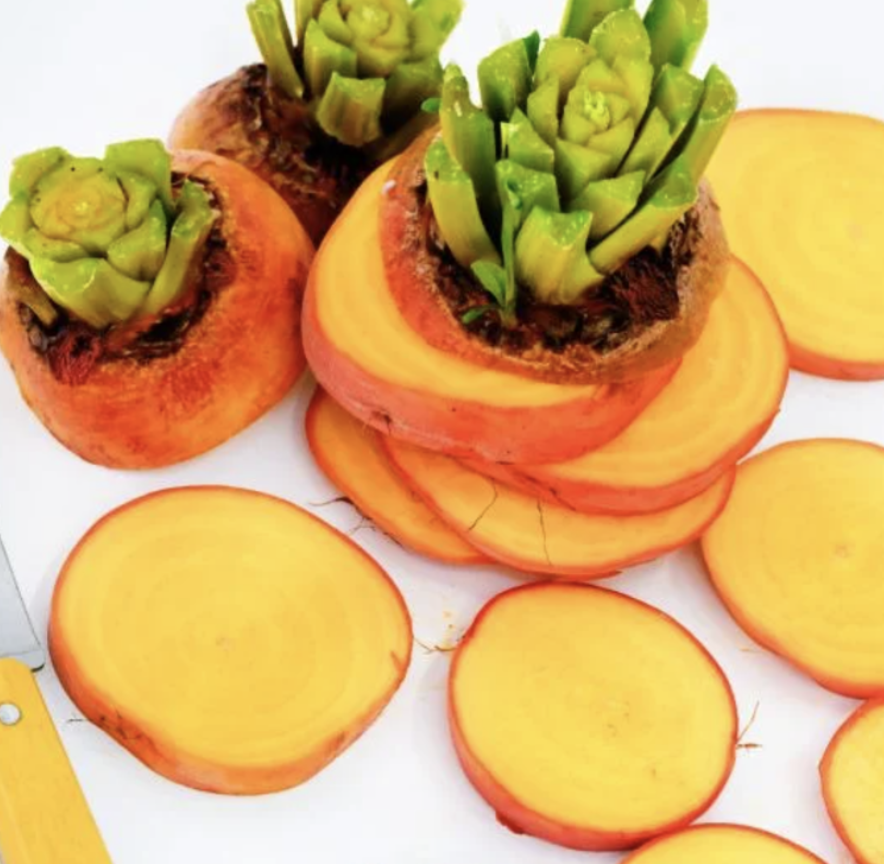
Winter Sun beets have radiant golden flesh accented by delicate white rings and a naturally sweet, earthy flavor. Perfect for roasting, steaming, or grating raw into salads for a carrot-like crunch, these globe-shaped roots brighten your plate in the brown and grey months.
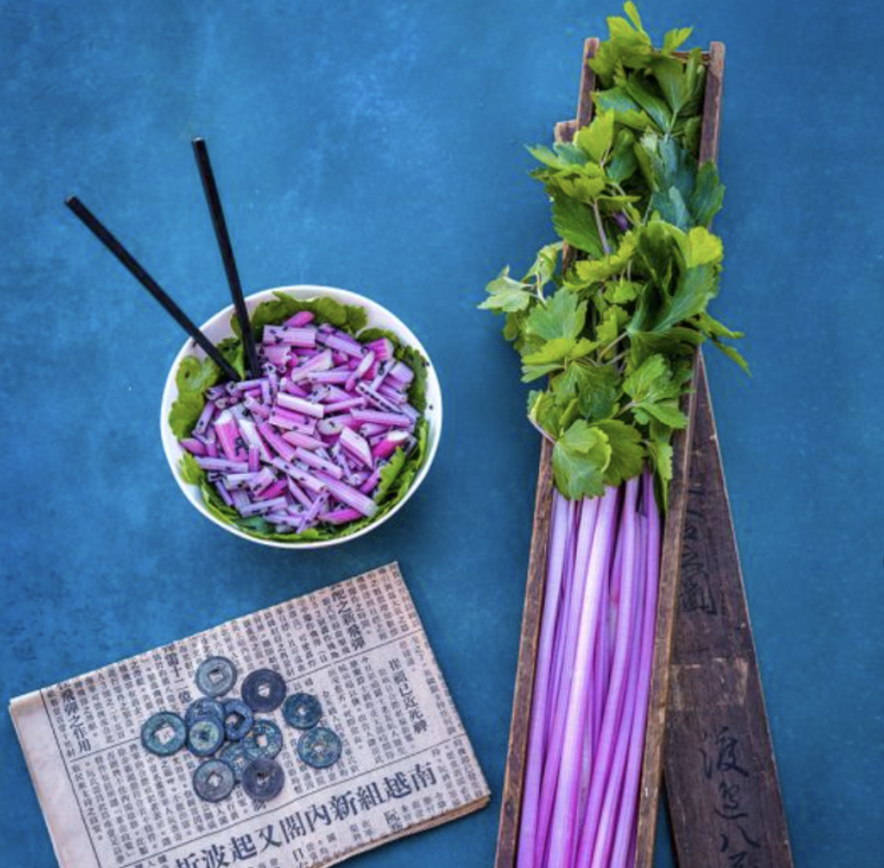
Chinese Pink Celery offers bubblegum-pink, crunchy stalks with a subtly sweet flavor, making it as attractive as it is tasty. Easier to grow than European celery, it’s ideal for beginner gardeners and adds a splash of color to any garden or salad. Cool fall temps give you crisp, flavorful growth, providing both visual appeal and delicious stalks for your seasonal meals.
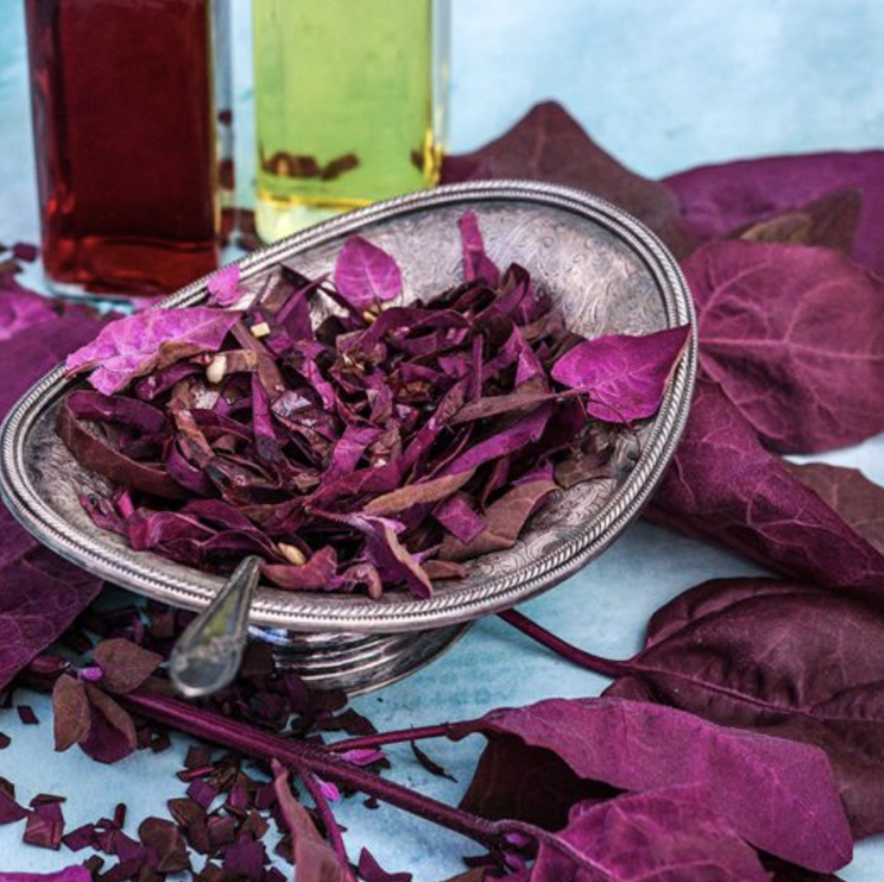
Red Orach boasts striking purple-red leaves that can grow 4–10 feet tall, adding dramatic color to your garden. Mild and spinach-like in flavor, it’s nutrient-dense and versatile for both raw and cooked dishes. Frost-hardy and quick to mature in just 45 days, it’s perfect for a colorful and productive fall garden that keeps giving.
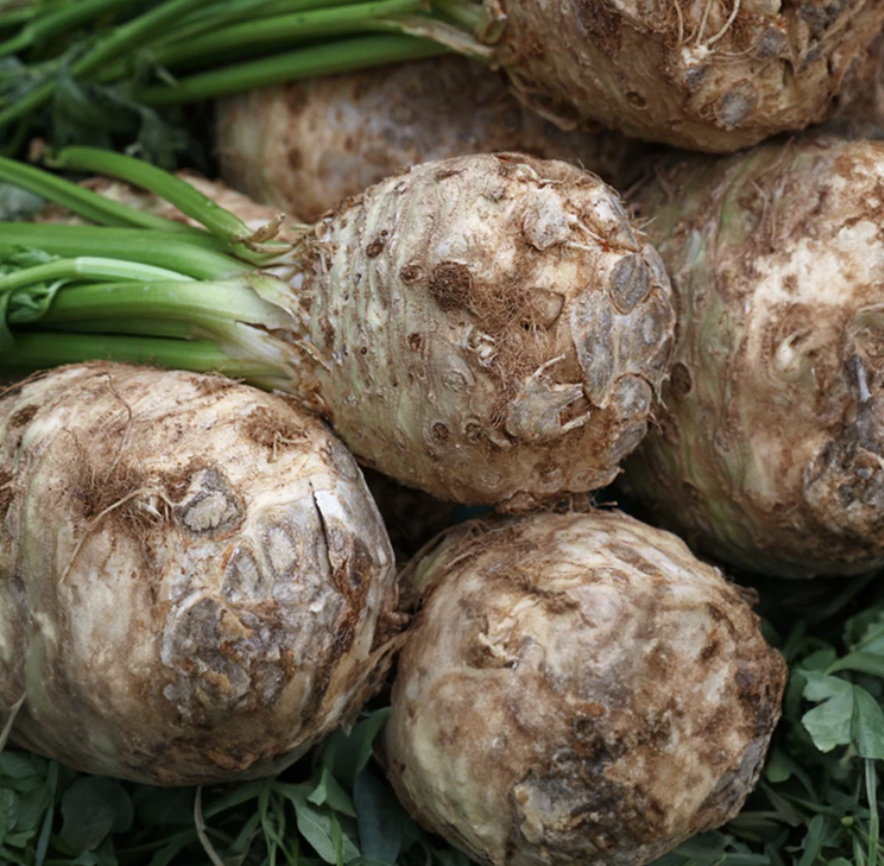
Celeriac is a root vegetable with a taste similar to celery, but with a much longer shelf-life and meaty flesh that is a deliciously unique addition to soups, stews, and roasted vegetable dishes. This is a European celeriac producing round, sweet roots with a crisp texture. It’s slow-maturing (100–110 days) but you can always try to get it started in the fall and overwinter it with season-extension techniques (come to our Fall Gardening class this Sunday to learn how!)
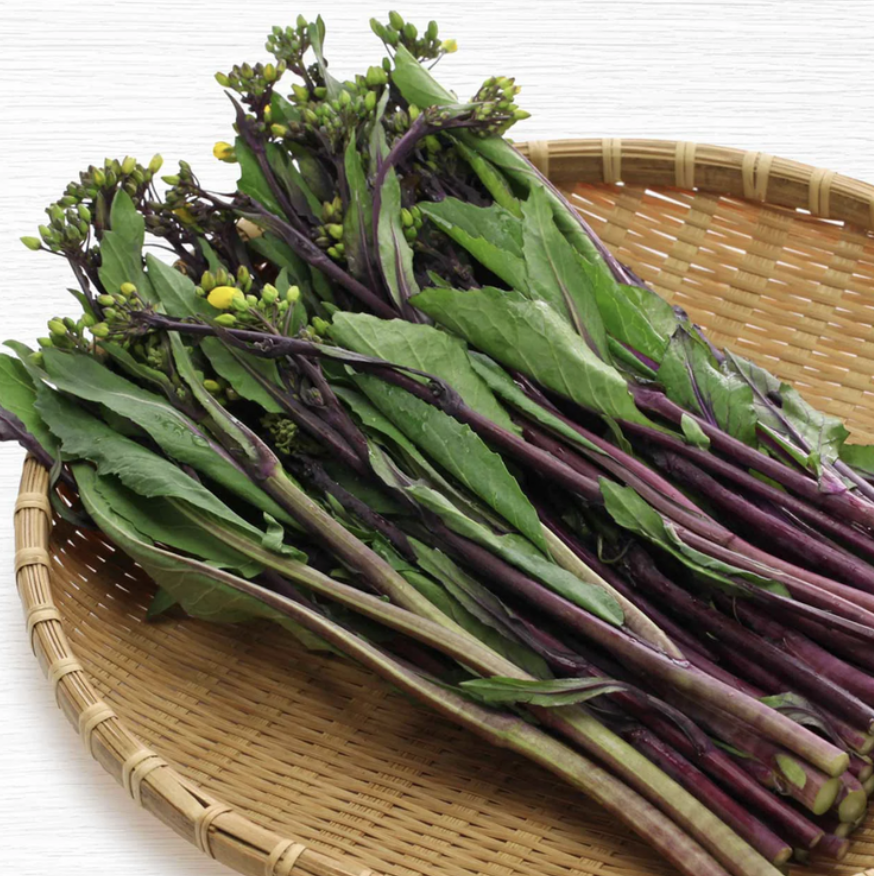
Think broccoli raab, but sweeter and more tender! Hon Tsai Tai grows gorgeous purple stems with delicate, flavorful leaves that are perfect raw in salads or quickly stir-fried. Fast-growing and loving cooler temps, this Asian green is a fall superstar—harvest crisp, flavorful stems and leaves just when you want a little extra color and nutrition at your dinner table
Is your mouth watering yet? 😋
Season Extension
Now that you are chomping at the bit to get going on your fall garden, it’s time to talk season extension.
Season extension is just a fancy way of saying: “let’s keep things growing a little longer than nature intended” or simply: Season extension is winter coats, for plants.
But there’s a lot of examples of season extension. To name a few:
Starting tomatoes a few weeks early in a greenhouse
Growing seeds in a plastic milk jug in the spring to create a mini greenhouse-effect
Tossing a row cover over fall lettuces before a freeze.
One of our favorite ways to provide season extension into the fall months is with row cover.
Basically, we’re creating a microclimate—a little bubble of warmth that keeps plants happy when the outside world gets frosty. And why would you want to do this? Because fall and winter gardens are magical. The pressure of summer harvests drops away, bugs are mostly gone, and suddenly you’re tucking into sweet carrots, buttery lettuces, and earthy turnips when most folks think the gardening season is over. Imagine grabbing kale for your New Year’s lunch, or a handful of parsley from under the snow in February. It feels like cheating—but in the best way.
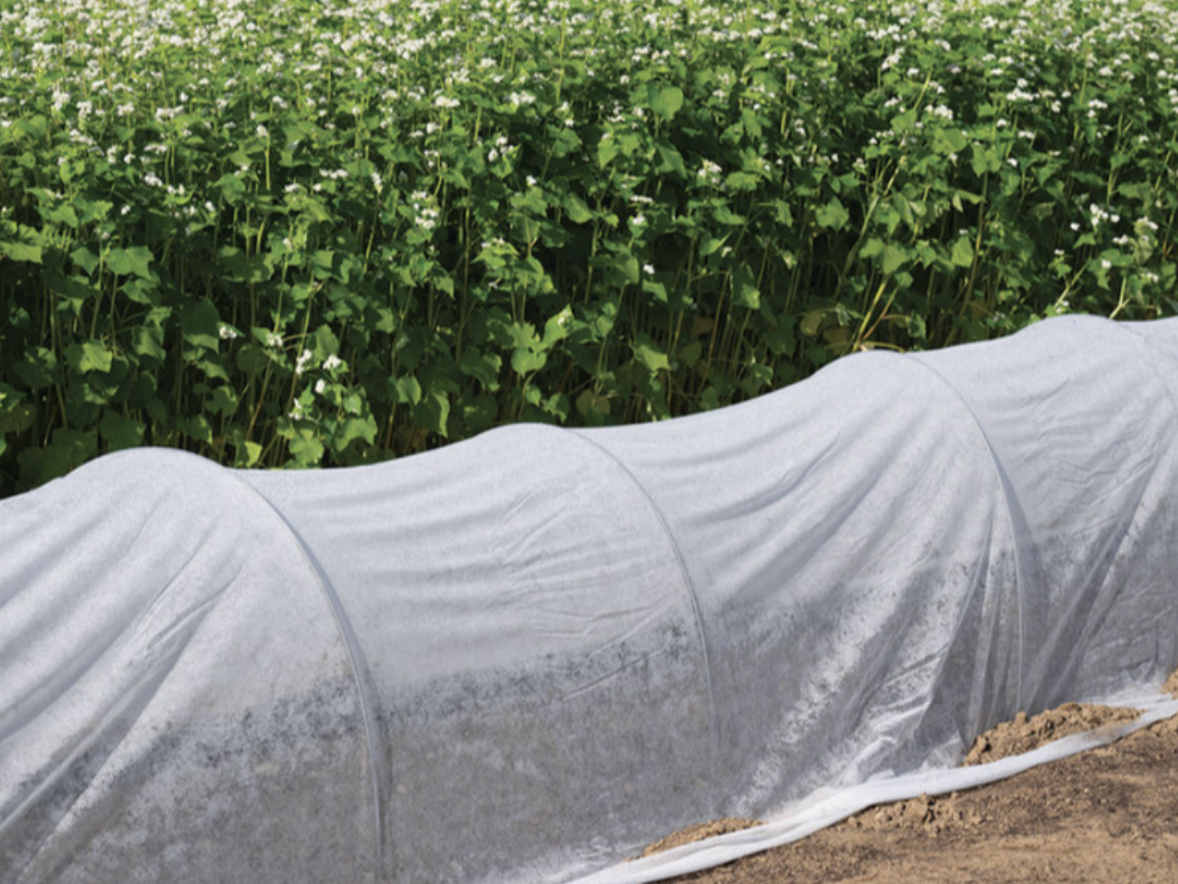
Row cover helps us tuck our plants away behind a layer of insulation, trapping heat and repelling frost. There are several brands that offer hoops and covers for your garden beds. We like to use steel hoops- example here, and row cover-example here, that is pinned down with garden staples to keep everything in place. Row cover acts like a blanket for your crops, keeping the nip of frost at bay while still allowing light through the material for plants to keep growing.
